Categories

Comprehensive Insight into Automated Tube Cutting Line Technology
Introduction to Automated Tube Cutting LineAn Automated Tube Cutting Line is a highly efficient system designed to streamline the cutting of metal tubes through automated processes. By integrating cutting-edge machinery with computer-controlled precision, this technology revolutionizes manufacturing workflows, significantly reducing manual labor and enhancing productivity in industries such as automotive, aerospace, and construction.Key Components of an Automated Tube Cutting LineThe core of an Automated Tube Cutting Line comprises several critical components including CNC cutting machines, robotic arms, feeder systems, and automated conveyors. These elements work in unison to feed, measure, cut, and sort tubes without human intervention, ensuring consistent quality and rapid throughput.Precision and Accuracy AdvantagesOne of the main benefits of an Automated Tube Cutting Line is its unparalleled precision. Computer Numerical Control (CNC) technologies allow for extremely accurate cuts with minimal tolerances, which is essential for applications that demand exact specifications. Consistency in cut length and angle reduces product defects and improves assembly fit.Time and Cost Efficiency GainsAutomated Tube Cutting Lines dramatically reduce production time compared to manual cutting methods. Automation minimizes waste and errors, cutting down on material costs and reducing labor expenses. This efficiency helps manufacturers meet tight deadlines and scale production with lower overall expenditure.Versatility Across Various Tube Materials and SizesThese lines are equipped to handle a wide range of tube materials including stainless steel, aluminum, copper, and carbon steel of various diameters and thicknesses. This flexibility makes Automated Tube Cutting Lines suitable for diverse sectors, adapting quickly to different production requirements without major reconfigurations.Enhanced Safety Features in Automated SystemsAutomation in tube cutting significantly reduces workplace hazards by limiting human exposure to sharp tools and heavy machinery. Features such as enclosed cutting chambers, emergency stop systems, and automated error detection create a safer work environment, aligning with stringent safety regulations and minimizing accident risks.Integration with Industry 4.0 and Smart ManufacturingModern Automated Tube Cutting Lines often incorporate Industry 4.0 technologies such as IoT sensors, real-time monitoring, and data analytics. This integration enables predictive maintenance, remote diagnostics, and process optimization, allowing manufacturers to achieve higher operational efficiency and reduce downtime.Customization and Scalability OptionsManufacturers can customize Automated Tube Cutting Lines to meet specific project requirements, including variable tube lengths, complex geometric shapes, and multi-stage processing. Moreover, these systems are scalable, allowing gradual expansion of production capacity to accommodate growing business needs without complete overhauls.Environmental Impact and Sustainability ConsiderationsBy minimizing waste and optimizing material use, Automated Tube Cutting Lines contribute to environmentally sustainable manufacturing practices. Energy-efficient motors and machinery reduce power consumption, while precise cutting reduces scrap material, helping companies lower their ecological footprint.Future Trends in Automated Tube Cutting Line TechnologyThe future of Automated Tube Cutting Lines lies in further advancements such as artificial intelligence integration, enhanced robotics, and improved automation software. These developments aim to increase cutting speed, accuracy, and adaptability while reducing human oversight, securing their place as indispensable tools in modern manufacturing.Quote Inquirycontact us
READ MORE
Comprehensive Guide to Stainless Steel Tube Cutting: Techniques, Tools, and Applications
Introduction to Stainless Steel Tube CuttingStainless steel tube cutting is an essential process in various industrial applications, ranging from construction to automotive manufacturing. This process involves modifying the length or shape of stainless steel tubes to meet specific project requirements. Given stainless steel’s renowned durability, corrosion resistance, and aesthetic appeal, precise tube cutting ensures optimal material performance and structural integrity. Understanding the fundamentals of stainless steel tube cutting is crucial for achieving accurate dimensions and maintaining smooth edge finishes.Types of Stainless Steel Tubes and Their Cutting ChallengesDifferent types of stainless steel tubes — such as seamless, welded, and drawn-over-mandrel (DOM) tubes — present unique cutting challenges. Seamless tubes, known for their uniformity and strength, require precise cutting tools to avoid distortion. Welded tubes, having a seam along the length, might be susceptible to opening during cutting if not handled properly. Each tube type’s wall thickness and diameter influence the choice of cutting method, demanding tailored approaches in stainless steel tube cutting operations.Common Cutting Methods for Stainless Steel TubesThere are several stainless steel tube cutting methods employed in industry, including sawing, laser cutting, plasma cutting, and abrasive cutting. Sawing is widely used for straightforward cuts, while laser cutting offers high precision and clean edges for complex profiles. Plasma cutting works well for thicker tubes, and abrasive cutting provides a cost-effective solution for moderate precision. Selecting the right cutting technique depends on tube specifications, required tolerances, and production volume.Importance of Precision and Tolerance in Stainless Steel Tube CuttingPrecision is paramount in stainless steel tube cutting, especially in applications such as aerospace or medical devices where tight tolerances are mandatory. Inaccurate cuts can lead to assembly issues, increased waste, and diminished performance. Advanced CNC machines and automated cutting systems have revolutionized precision, enabling consistent and repeatable cuts. Maintaining low tolerance levels ensures the tubes fit perfectly within larger assemblies or piping systems.Impact of Cutting on Stainless Steel Tube Material PropertiesCutting stainless steel tubes affects the material’s microstructure and surface quality. Improper cutting techniques may generate heat, leading to deformation or stress concentrations around the cut edges. This can reduce corrosion resistance or cause cracks. Therefore, processes such as laser cutting often include cooling measures and post-cut treatments like deburring or passivation to restore surface integrity and extend tube longevity.Role of Tool Selection in Optimizing Tube Cutting QualityThe performance of stainless steel tube cutting largely depends on the selection of cutting tools. Blades and cutters coated with carbide or made from high-speed steel are preferred due to their durability and ability to retain sharpness. The right tool type and geometry minimize heat generation and cutting forces, resulting in cleaner cuts and longer tool life. Regular maintenance and tool replacement schedules also contribute to consistent cutting quality.Automation and CNC Technology in Stainless Steel Tube CuttingAutomation and CNC (Computer Numerical Control) technology have transformed stainless steel tube cutting by increasing productivity and accuracy. CNC-controlled cutting machines facilitate complex cutting patterns, optimize material usage, and reduce human error. Automated loading and unloading systems streamline workflows, making stainless steel tube cutting suitable for large-scale production lines. Integration of software also allows for precise cutting path simulation and real-time adjustments.Applications of Stainless Steel Tube Cutting Across IndustriesStainless steel tube cutting is pivotal in several industries including construction, healthcare, automotive, aerospace, and food processing. Structural components, medical instrument frames, exhaust systems, aircraft hydraulic lines, and sanitary piping all rely on precisely cut stainless steel tubes. The ability to customize tube lengths and shapes enhances versatility and supports innovation in product design and functionality.Environmental and Safety Considerations During CuttingEnvironmental and safety considerations are critical in stainless steel tube cutting operations. Proper ventilation, dust collection, and use of protective equipment safeguard workers from airborne particles and sparks generated during cutting. Selecting energy-efficient cutting technologies reduces environmental impact. Additionally, recycling stainless steel scrap contributes to sustainability, supporting circular economy initiatives within metalworking industries.Future Trends in Stainless Steel Tube Cutting TechnologyEmerging trends in stainless steel tube cutting include the adoption of hybrid cutting technologies combining laser and plasma, advancements in fiber laser systems for higher cutting speeds, and increased use of robotics for precision handling. Smart sensors and IoT integration enable real-time process monitoring for preventative maintenance and quality assurance. These innovations promise to enhance efficiency, reduce costs, and open new possibilities for complex designs in stainless steel tube applications.Quote Inquirycontact us
READ MORE
Laser Tube Cutter Precision: Unlocking Accuracy and Efficiency in Tube Cutting
Understanding Laser Tube Cutter Precision Laser tube cutter precision refers to the ability of a laser cutting machine to produce clean, accurate, and repeatable cuts on tubular materials. Precision in laser tube cutting is critical because it directly influences the quality of the final product, reduces material wastage, and enhances manufacturing efficiency. The combination of laser technology and advanced control systems allows for micron-level tolerances, making it ideal for industries demanding high accuracy.Technological Advances Enhancing Precision Modern laser tube cutters incorporate state-of-the-art technology such as CNC controls, servo motors, and real-time feedback systems. These advancements ensure that operators can achieve exceptional repeatability and accuracy across complex shapes and varying tube profiles. The laser beam's fine focal point allows for minimal kerf width, further contributing to the high precision achievable in tube cutting processes.Importance of Precision in Industrial Applications Precise laser cutting is paramount in industries like aerospace, automotive, medical devices, and construction where even minor deviations can compromise structural integrity or function. Laser tube cutter precision ensures components fit perfectly during assembly, reducing the need for secondary finishing operations and lowering production costs. This accuracy promotes reliability and safety in end products, which is especially vital in critical applications.Materials Best Suited for Laser Tube Cutter Precision Laser tube cutters deliver excellent precision across a range of materials including stainless steel, aluminum, brass, copper, and titanium. The laser’s versatility allows precision cutting of thin-walled and thick tubular materials alike. Selecting the right laser type, power, and cutting parameters tailored to the specific material enhances the precision and reduces the risk of thermal distortion during the cutting process.Factors Affecting Laser Tube Cutter Precision Several factors influence the precision of laser tube cutting, including laser power, focal length, cutting speed, and the quality of tube surface preparation. Machine rigidity and proper clamping of the tube also play crucial roles in minimizing vibrations and movement during cutting. Additionally, software algorithms governing path control can optimize precision by adjusting cutting parameters in real-time.Role of Software in Enhancing Cutting Precision Advanced software integrated with laser tube cutters facilitates precise programming of cutting paths and machining sequences. CAD/CAM software allows engineers to design complex geometries that the machine follows exactly, ensuring minimal deviation. Simulation capabilities help predict potential errors, allowing adjustments before actual cutting, which improves overall precision and reduces costly errors.Quality Control and Measurement Techniques To guarantee laser tube cutter precision, thorough quality control measures are implemented using coordinate measuring machines (CMM), laser scanners, and optical comparators. These tools verify dimensional accuracy, edge quality, and surface finish. Establishing precise inspection protocols ensures each cut meets the stringent tolerances required, providing consistent production quality over large batches.Benefits of High Precision Laser Tube Cutting High precision laser tube cutting offers multiple benefits including reduced thermal distortion, enhanced edge quality, and increased manufacturing speed. Precision reduces material scrap rates and the need for post-processing, resulting in cost savings. It also enables more intricate designs and tight assembly fits, opening opportunities for innovative product development and competitive advantage.Challenges in Achieving Consistent Precision Despite technological advances, certain challenges persist in maintaining consistent laser tube cutter precision. These include factors like material inconsistencies, mechanical wear, and environmental conditions such as temperature and humidity. Regular machine maintenance, calibration, and operator training are vital to overcoming these challenges and sustaining optimal cutting precision.Future Trends in Laser Tube Cutter Precision The future of laser tube cutter precision lies in the integration of AI, machine learning, and IoT for predictive maintenance and adaptive cutting control. Emerging laser sources such as ultrafast lasers promise even finer precision with minimal heat-affected zones. Moreover, advanced automation will enable seamless integration into smart factories, further improving accuracy, throughput, and customization capabilities in tube cutting. Quote Inquirycontact us
READ MORE
Cost-Effective Tube Processing: Strategies and Benefits for Modern Manufacturing
Understanding Cost-Effective Tube Processing Cost-effective tube processing is a critical component of modern manufacturing, focusing on optimizing the fabrication, cutting, bending, and finishing of tubes to reduce expenses without sacrificing quality. By leveraging advanced technologies and streamlined workflows, manufacturers can minimize waste, accelerate production, and lower operational costs. The ability to process tubes efficiently contributes directly to overall product affordability and competitiveness in various industries, including automotive, aerospace, and construction.The Role of Material Selection in Cost Efficiency Choosing the right material is fundamental to cost-effective tube processing. Different metals and alloys vary in price, machinability, and durability. For instance, aluminum tubes may offer cost savings due to their lightweight and corrosion resistance, while stainless steel tubes provide strength but at a higher initial cost. Selecting materials that balance performance needs with budget constraints reduces scrap rates and machining time, contributing to a lower total cost of tube processing.Automation: Enhancing Precision and Reducing Labor Costs Incorporating automation into tube processing lines significantly enhances cost-effectiveness by improving precision and reducing reliance on manual labor. CNC tube bending machines, automated cutting systems, and robotic welding solutions enable consistent, high-quality output at faster cycle times. Automation minimizes human error, decreases rework, and allows for uninterrupted operations, all of which contribute to lower production costs and higher throughput.Advanced Cutting Technologies for Cost Savings Utilizing advanced cutting technologies such as laser cutting, waterjet cutting, and plasma cutting plays a pivotal role in cost-effective tube processing. These methods offer faster cutting speeds, superior edge quality, and reduce thermal distortion compared to traditional mechanical cutting. By improving precision and reducing subsequent finishing requirements, these cutting technologies help save both time and materials, enhancing overall cost efficiency.Optimizing Tube Bending Techniques Efficient tube bending techniques are vital for reducing manufacturing costs without compromising design specifications. Modern bending processes such as rotary draw bending, compression bending, and roll bending allow for precise forming with minimal material wastage. Additionally, employing software-driven simulations for bend path planning reduces trial-and-error approaches, ensuring optimal tube utilization and decreasing production downtime.Surface Finishing: Balancing Quality and Expense Surface finishing processes in tube manufacturing, including polishing, coating, and anodizing, impact both product quality and production expenses. Selecting cost-effective finishing methods that meet industry requirements can enhance corrosion resistance and aesthetic appeal while controlling operational costs. For example, powder coating may offer a more economical alternative to electroplating, maintaining surface protection with lower environmental and energy costs.Lean Manufacturing Principles Applied to Tube Processing Implementing lean manufacturing principles in tube processing operations minimizes waste, streamlines workflows, and drives cost savings. Techniques such as value stream mapping and continuous improvement help identify bottlenecks and inefficiencies in tube fabrication, cutting, and assembly stages. By focusing on reducing setup times, inventory levels, and overproduction, manufacturers enhance profitability through cost-effective tube processing.Customized Tube Processing Solutions for Specific Industries Tailoring tube processing solutions to specific industry needs enhances cost-effectiveness by eliminating unnecessary steps and matching capabilities to application requirements. For example, the automotive sector may prioritize high-volume quick turnaround, while medical device manufacturing demands tight tolerances and specialized materials. Customized processing strategies ensure resources are efficiently allocated to deliver the best balance of quality and cost.Reducing Energy Consumption in Tube Manufacturing Energy consumption represents a significant portion of operational expenses in tube processing. Employing energy-efficient machinery, optimizing process parameters, and recovering waste heat can substantially decrease utility costs. Focused efforts on reducing the carbon footprint through sustainable practices not only lower expenditures but also align tube production with environmentally responsible manufacturing standards, benefiting both cost and corporate image.Quality Control and Its Impact on Cost Reduction Robust quality control mechanisms are integral to cost-effective tube processing because they prevent defects and rework that add considerable expense. Advanced inspection technologies such as 3D scanning, laser measurement, and automated defect detection ensure tubes meet stringent specifications from the outset. Maintaining consistent quality reduces waste and customer returns, safeguarding both profitability and brand reputation in competitive markets. Quote Inquirycontact us
READ MORE
Precision and Efficiency: Exploring Industrial Laser Pipe Profiling
Introduction to Industrial Laser Pipe Profiling Industrial laser pipe profiling is a cutting-edge manufacturing process that uses laser technology to shape and cut pipes with exceptional precision. This technology has revolutionized the pipe fabrication industry, allowing manufacturers to achieve highly accurate cuts and complex profiles that were once challenging with traditional methods. Its ability to enhance efficiency while maintaining quality makes it an essential tool in modern industrial applications.How Laser Technology Enhances Pipe Profiling Laser beams provide concentrated energy that precisely melts or vaporizes material along desired paths, eliminating the need for physical contact. This non-contact process results in minimal distortion and high repeatability, crucial for maintaining tight tolerances in pipe profiling. Unlike mechanical cutting tools, lasers offer cleaner edges and reduced post-processing, contributing to overall workflow improvements.Materials Compatible with Industrial Laser Pipe Profiling Industrial laser pipe profiling is adaptable to a wide range of materials including carbon steel, stainless steel, aluminium, and alloys. Its versatility allows it to cut pipes of various thicknesses and diameters, accommodating different industrial requirements. This broad material compatibility makes it suitable for sectors such as oil and gas, construction, and automotive manufacturing.Benefits of Automation in Laser Pipe Profiling Automation integration in industrial laser pipe profiling systems optimizes production throughput while reducing manual labor errors. Computer Numerical Control (CNC) programming directs laser cutters efficiently, enabling rapid processing of complex shapes. Automated loading and unloading systems further streamline operations, enhancing productivity and ensuring consistent quality.Accuracy and Tolerance Capabilities Laser pipe profiling boasts accuracy down to fractions of a millimeter, meeting stringent specifications demanded by modern engineering projects. This high precision is critical when fabricating components that require exact fitting and alignment, such as structural supports and piping networks. Maintaining these tight tolerances reduces assembly time and minimizes waste.Applications in Various Industries The application of industrial laser pipe profiling spans multiple industries, including petrochemical, aerospace, shipbuilding, and manufacturing of heavy machinery. Each sector benefits from the precision and speed offered by laser profiling to meet unique design and safety standards. For instance, in oil and gas, ensuring leak-proof joints and custom flanges is paramount.Environmental and Economic Advantages Compared to traditional cutting methods, laser pipe profiling is energy-efficient and generates less material waste. The precise cutting reduces scrap rates, which lowers raw material costs. Additionally, fewer secondary finishing operations reduce both labor and consumable usage, contributing to a more sustainable manufacturing practice.Challenges and Limitations Despite its advantages, industrial laser pipe profiling presents challenges, including higher initial equipment costs and the need for skilled operators. Some materials with reflective surfaces or very thick walls may require specialized lasers or slower processing speeds, which can affect throughput. Addressing these limitations often involves balancing upfront investment with long-term operational benefits.Future Trends in Industrial Laser Pipe Profiling Ongoing advancements in laser technology, such as higher-power fiber lasers and improved CNC software, are expanding the capabilities of pipe profiling. Enhanced 3D scanning and real-time monitoring enable adaptive cutting, optimizing material usage and accuracy. Integration with Industry 4.0 practices will likely increase automation and data-driven decision-making in this field.Conclusion: The Strategic Role of Laser Profiling in Manufacturing Industrial laser pipe profiling has proven to be a transformative technique in pipe fabrication, blending precision, versatility, and efficiency. Its ability to meet diverse industrial needs while reducing environmental impact positions it as a strategic asset for manufacturers aiming to stay competitive. Embracing this technology facilitates innovation and quality in complex pipe assembly projects.Quote Inquirycontact us
READ MORE
Key Strategies for Achieving Micron-Level Machining Accuracy
Understanding the Importance of Micron-Level Machining AccuracyWhen it comes to precision engineering, Achieving Micron-Level Machining Accuracy is crucial. This level of accuracy is required in industries such as aerospace, defense, medical, and electronics where even slight deviations can lead to catastrophic failures.Choosing the Right Tools and EquipmentOne of the key factors in achieving micron-level machining accuracy is using the right tools and equipment. High-precision CNC machines, accurate measuring instruments, and quality cutting tools are essential for achieving the desired results.Optimizing Cutting ParametersTo achieve the required accuracy, it is important to optimize cutting parameters such as cutting speed, feed rate, depth of cut, and tool geometry. By fine-tuning these parameters, you can minimize machining errors and improve overall precision.Implementing Proper Tooling TechniquesProper tooling techniques, such as tool selection, tool positioning, and tool maintenance, play a critical role in achieving micron-level machining accuracy. Using the right tooling strategies can help reduce tool wear, improve surface finish, and enhance overall accuracy.Utilizing Advanced Machining StrategiesAdvanced machining strategies, such as high-speed machining, five-axis milling, and laser machining, can significantly improve precision and accuracy. By implementing these cutting-edge techniques, you can achieve micron-level accuracy with ease.Ensuring Rigorous Quality ControlQuality control is paramount when striving for micron-level machining accuracy. Regular inspections, in-process monitoring, and post-machining measurements are essential to confirm accuracy and identify any deviations that may occur.Investing in Employee Training and DevelopmentProper training and development of machining operators are crucial for achieving micron-level accuracy. By investing in employee education and skill-building programs, you can ensure that your team has the expertise to perform high-precision machining tasks.Collaborating with Suppliers and PartnersCollaborating with reliable suppliers and industry partners can also help improve machining accuracy. By working closely with experts in the field, you can access cutting-edge technologies, advanced tools, and valuable insights that can enhance precision.Utilizing Computer-Aided Design and Manufacturing (CAD/CAM)CAD/CAM software plays a key role in achieving micron-level machining accuracy. These tools enable designers to create detailed 3D models and simulate machining processes, ensuring accuracy and efficiency before actual production begins.Continuous Improvement and InnovationAchieving micron-level machining accuracy is an ongoing process that requires continuous improvement and innovation. By staying up-to-date with the latest industry trends, technologies, and best practices, you can constantly strive to enhance precision and optimize your machining processes.Quote Inquirycontact us
READ MORE
The Importance of Rigidity in Large-Part Machining
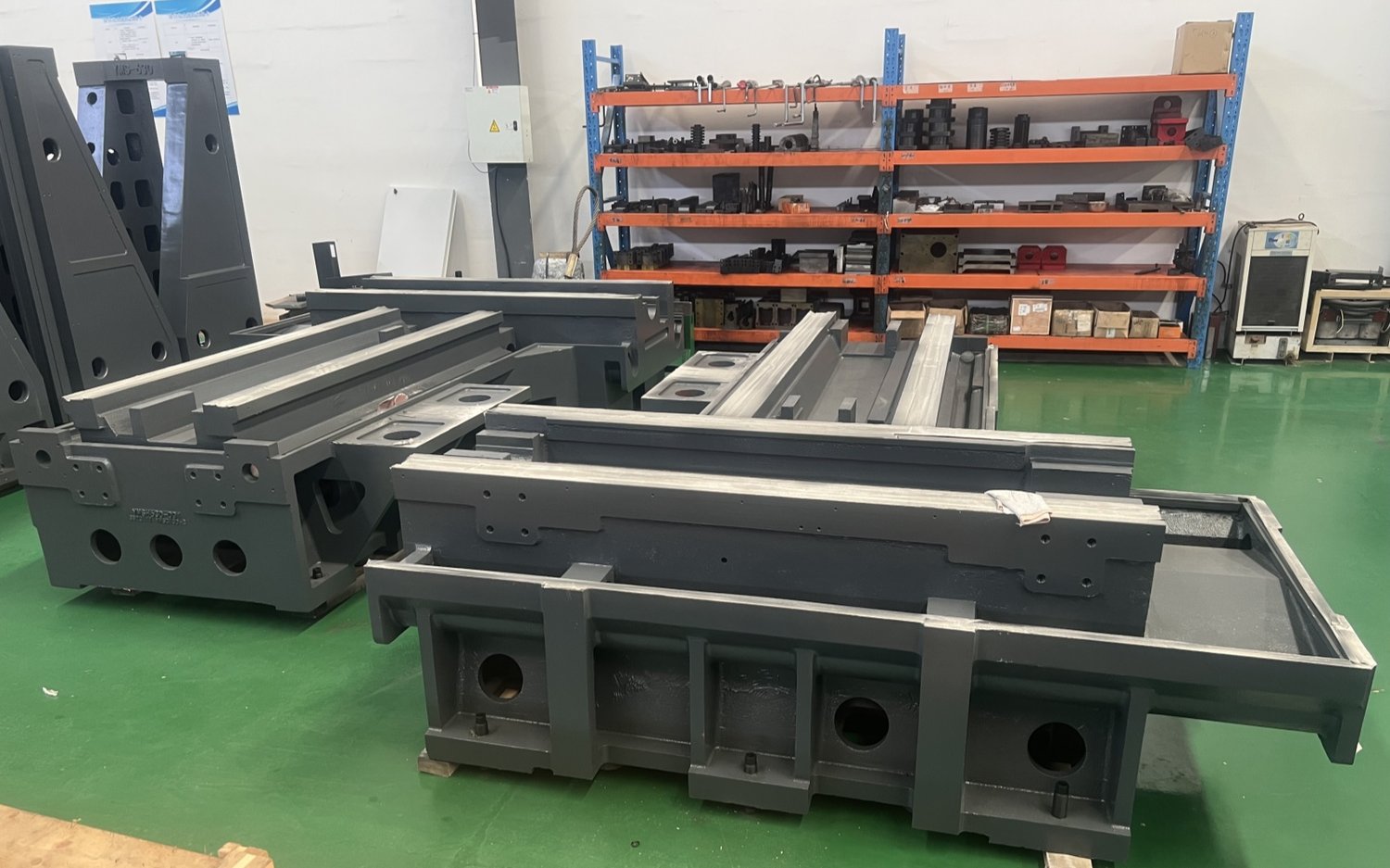
What is Rigidity in Machining?Rigidity in machining refers to the ability of a machine tool to resist deformation or bending during the cutting process. In large-part machining, this becomes crucial as any slight deviation in the machine's rigidity can lead to inaccuracies in the final product.Benefits of Rigidity in Large-Part MachiningThe primary benefit of rigidity in large-part machining is precision. A rigid machine tool ensures that the cutting forces are evenly distributed, resulting in accurate cuts and precise dimensions. This is essential when working on large parts where even the smallest deviation can lead to costly errors.Factors Affecting RigiditySeveral factors can affect the rigidity of a machine tool in large-part machining. These include the material of the machine, the design of the machine structure, the type of cutting tool used, and the overall setup of the machining process. It is essential to consider these factors to ensure optimal rigidity during machining.Importance of Machine MaterialThe material of the machine tool plays a significant role in its rigidity. Materials with high stiffness and low elasticity, such as cast iron or steel, are preferred for large-part machining as they can better withstand the cutting forces. Choosing the right material is crucial for maintaining rigidity in the machine.Effects of Machine Structure DesignThe design of the machine structure also affects its rigidity. Machines with a solid and robust structure are more likely to maintain rigidity during the machining process. This is why it is essential to invest in high-quality machines with a well-designed structure for large-part machining.Role of Cutting ToolsThe type and condition of cutting tools can impact the rigidity of the machining process. Dull or worn-out tools can increase cutting forces and put additional strain on the machine, leading to decreased rigidity. Regular maintenance and proper selection of cutting tools are essential for maintaining rigidity.Optimizing Machining SetupIn large-part machining, the setup of the machining process can significantly impact rigidity. Factors such as workholding, toolpath optimization, and coolant application can all affect the rigidity of the machine tool. By optimizing the machining setup, manufacturers can ensure maximum rigidity and efficiency.Challenges in Maintaining RigidityDespite its importance, maintaining rigidity in large-part machining can be challenging. As parts get larger and requirements become more complex, ensuring rigidity becomes increasingly difficult. Manufacturers must constantly assess and improve their machining processes to overcome these challenges.Advanced Technologies for Rigidity EnhancementTo address the challenges of rigidity in large-part machining, manufacturers are turning to advanced technologies. This includes the use of vibration damping systems, active tool holding systems, and adaptive control systems that can dynamically adjust machining parameters to maintain rigidity.ConclusionIn conclusion, rigidity plays a critical role in large-part machining. By understanding the factors that affect rigidity, optimizing machining processes, and leveraging advanced technologies, manufacturers can achieve greater precision, efficiency, and quality in their machining operations.Quote Inquirycontact us
READ MORE
The Importance of Thermal Stability in Precision Engineering
The Significance of Thermal StabilityPrecision engineering refers to the process of designing and producing high-precision components with tight tolerances. One crucial factor that must be considered in precision engineering is thermal stability. Thermal stability relates to the ability of a material or component to withstand changes in temperature without deforming or losing its dimensional accuracy.Effects of Temperature on Precision ComponentsTemperature fluctuations can have a significant impact on the performance of precision components. Changes in temperature can cause materials to expand or contract, leading to dimensional changes that may affect the functionality of the component. It is essential to ensure that precision components maintain their structural integrity and dimensional stability under varying thermal conditions.Material Selection for Thermal StabilityWhen designing precision components, the choice of materials plays a critical role in determining thermal stability. Certain materials have better thermal conductivity and coefficient of expansion, making them more suitable for applications where thermal stability is crucial. Materials like stainless steel, titanium, and ceramics are commonly used in precision engineering due to their excellent thermal stability characteristics.Design Considerations for Thermal StabilityIn addition to material selection, the design of precision components also influences thermal stability. Factors such as geometry, surface finish, and heat dissipation capabilities must be taken into account during the design process to ensure optimal thermal stability. Designing components with proper thermal management features can help minimize the effects of temperature fluctuations.Testing and Validation of Thermal StabilityTo ensure that precision components meet thermal stability requirements, thorough testing and validation protocols must be implemented. Thermal cycling tests, thermal shock tests, and finite element analysis (FEA) simulations are some of the techniques used to evaluate the thermal stability of precision components. These tests help identify any potential weaknesses in the design and manufacturing process.Benefits of Maintaining Thermal StabilityMaintaining Thermal Stability in Precision Engineering offers several benefits, including enhanced performance, extended operational lifespan, and improved reliability. Components that exhibit good thermal stability are better equipped to withstand harsh operating conditions and temperature variations, resulting in more robust and durable products.Challenges in Achieving Thermal StabilityDespite the importance of thermal stability in precision engineering, there are several challenges associated with achieving and maintaining it. Factors such as material selection, design complexity, manufacturing processes, and environmental conditions can all impact the thermal stability of precision components. Overcoming these challenges requires a comprehensive understanding of the underlying principles and careful attention to detail.Applications of Thermal Stability in Precision EngineeringThermal stability is a critical consideration in various industries that rely on precision engineering, including aerospace, automotive, medical, and electronics. In aerospace applications, for example, components must maintain their dimensional accuracy and structural integrity under extreme temperature fluctuations experienced during flight. Similarly, in medical devices, thermal stability is essential for ensuring consistent and reliable performance.Future Trends in Thermal Stability TechnologyAs technology advances and the demand for high-precision components continues to grow, the focus on thermal stability in precision engineering is expected to increase. Innovative materials, advanced manufacturing techniques, and sophisticated thermal management solutions are likely to emerge to address the evolving requirements of thermal stability. The integration of smart sensors and predictive maintenance strategies could also play a significant role in optimizing thermal stability in precision engineering.ConclusionIn conclusion, thermal stability is a fundamental aspect of precision engineering that influences the quality, reliability, and performance of precision components. By carefully considering material selection, design factors, testing protocols, and application-specific requirements, engineers can ensure that precision components exhibit optimal thermal stability. As technology evolves and industries demand higher levels of precision, the importance of thermal stability in precision engineering will only continue to grow.Quote Inquirycontact us
READ MORE
The Advantages of Five-Axis Capabilities on Dual-Column Platforms
Increased Efficiency and ProductivityFive-Axis Capabilities on Dual-Column Platforms allow for simultaneous machining of multiple sides of a workpiece, resulting in reduced setup times and increased production efficiency.Enhanced Precision and AccuracyThe ability to move in five axes allows for more complex geometries to be machined with higher precision and accuracy, leading to improved quality of finished parts.Improved Surface FinishWith the flexibility to approach the workpiece from multiple angles, five-axis capabilities on dual-column platforms enable smoother surface finishes and finer details to be achieved.Wide Range of Machining OptionsFive-axis capabilities on dual-column platforms offer a greater range of motion and tooling options, allowing for the machining of intricate and complex shapes that may not be possible with traditional machining methods.Cost-EffectivenessWhile the initial investment in a dual-column platform with five-axis capabilities may be higher, the increased efficiency and precision can result in cost savings in the long run, especially for businesses that require complex machining operations.Versatility in Machining ApplicationsFrom aerospace components to mold making, five-axis capabilities on dual-column platforms can be utilized across various industries and applications that demand high precision and intricate designs.Reduced Need for Secondary OperationsThe ability to machine complex shapes in a single setup reduces the need for secondary operations, which can streamline the manufacturing process and lead to faster turnaround times.Optimized Tool Path StrategiesFive-axis capabilities on dual-column platforms allow for optimized tool paths, minimizing tool and machine interference while maximizing cutting efficiency and tool life.Adaptability to Changing Design RequirementsWith the flexibility of five-axis machining, dual-column platforms can easily adapt to evolving design requirements and accommodate last-minute changes with minimal disruptions to the production process.Future-Proof Machining TechnologyInvesting in five-axis capabilities on dual-column platforms ensures that businesses stay competitive and ready for future advancements in machining technology, providing a solid foundation for continued growth and innovation.Quote Inquirycontact us
READ MORE